



YOUnivers
Gruppenarbeitsprojekt · 3. Semester
Ein Konzept für eine spielerisch gestaltete Journaling-App für Jugendliche, die dabei hilft, den Alltag zu strukturieren, Routinen aufzubauen und das mentale Wohlbefinden zu stärken. Die Idee verbindet digitales und analoges Schreiben durch ein smartes Hybrid-Journal, das Papier und Display miteinander kombiniert.
Projektsprache: Englisch
Programme:
Problem Statment
TASK: Supporting young people in their mental health wellbeing
"Approximately one in five young people (21 percent) exhibit mental health problems."
Children and adolescents whose parents often or very often experience financial problems are particularly affected. Among them, the proportion of those who describethemselves as having mental health problems is 33 percent. According to parents, 24 percent of students require support due to mental health problems. Even after the coronavirus pandemic, mental health problems remain at a higher level overall than before the pandemic (17.6 percent according to the Child Public Health [COPSY] study).
Research
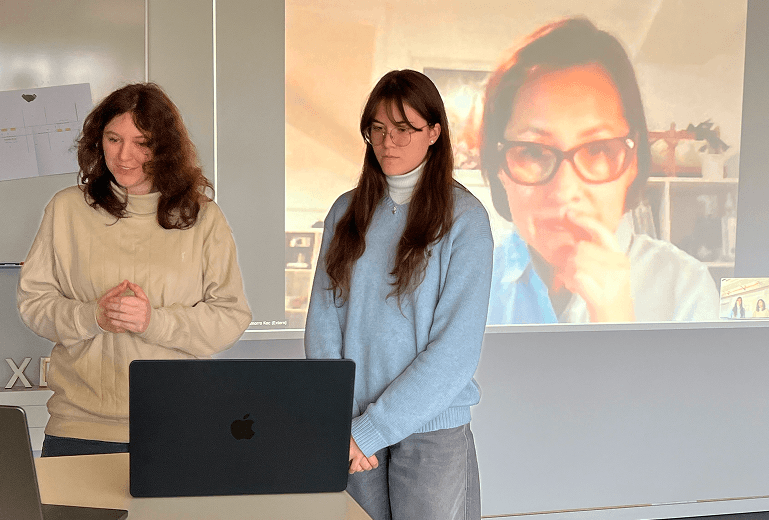
At the beginning of the project, research was conducted on mental health to generate initial ideas.
To gain a deeper understanding of the subject, interviews were conducted with individuals affected by mental health issues, as well as with a social worker experienced in child and adolescent psychiatry.
In the first few weeks, Marianella Chamorro-Koc from Queensland University of Technology in Brisbane was also invited to deliver a talk as part of the course, providing valuable feedback on our initial ideas. This external input offered valuable professional insights and greatly aided the further development and refinement of the project concept.
Overall Idea
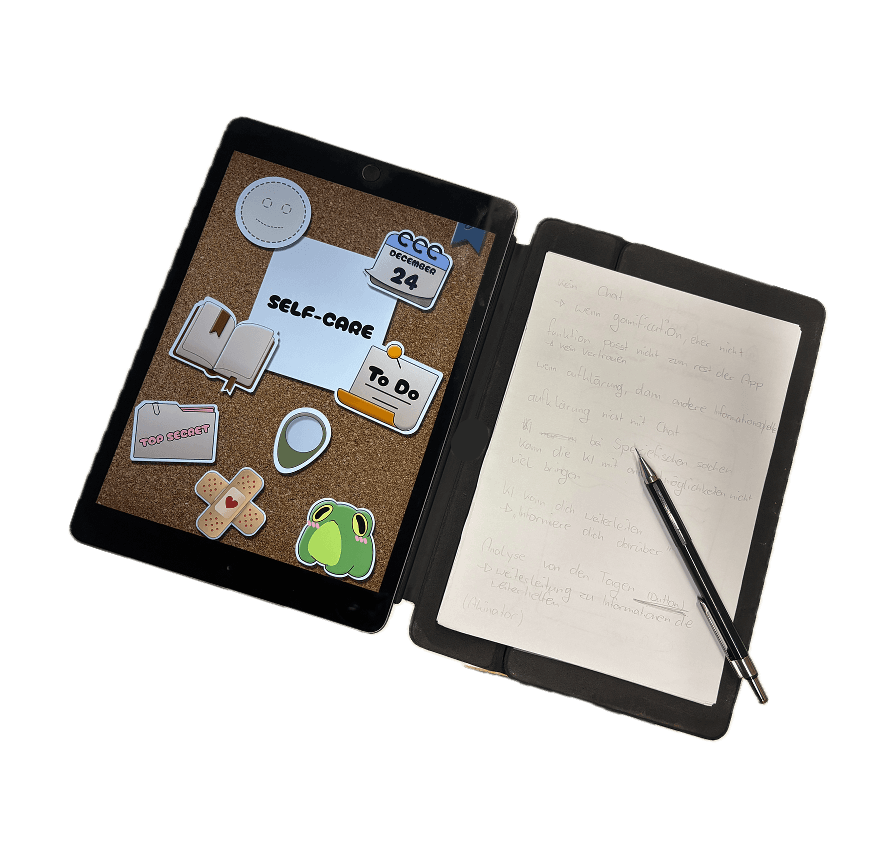
The main Idea is to create a playfully designed journaling app that helps structure daily life and routines while promoting mental well-being, as well as providing an overview that can be shared with a therapist.
A key insight from the research and interview was that analog writing and drawing on paper is often preferred over digital input; therefore, the project aims to seamlessly connect digital and analog journaling through a hybrid solution that combines paper with a digital display.
Testing
Prototyping
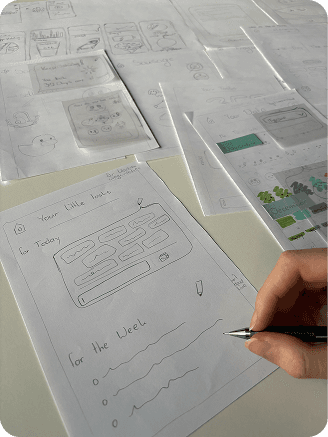
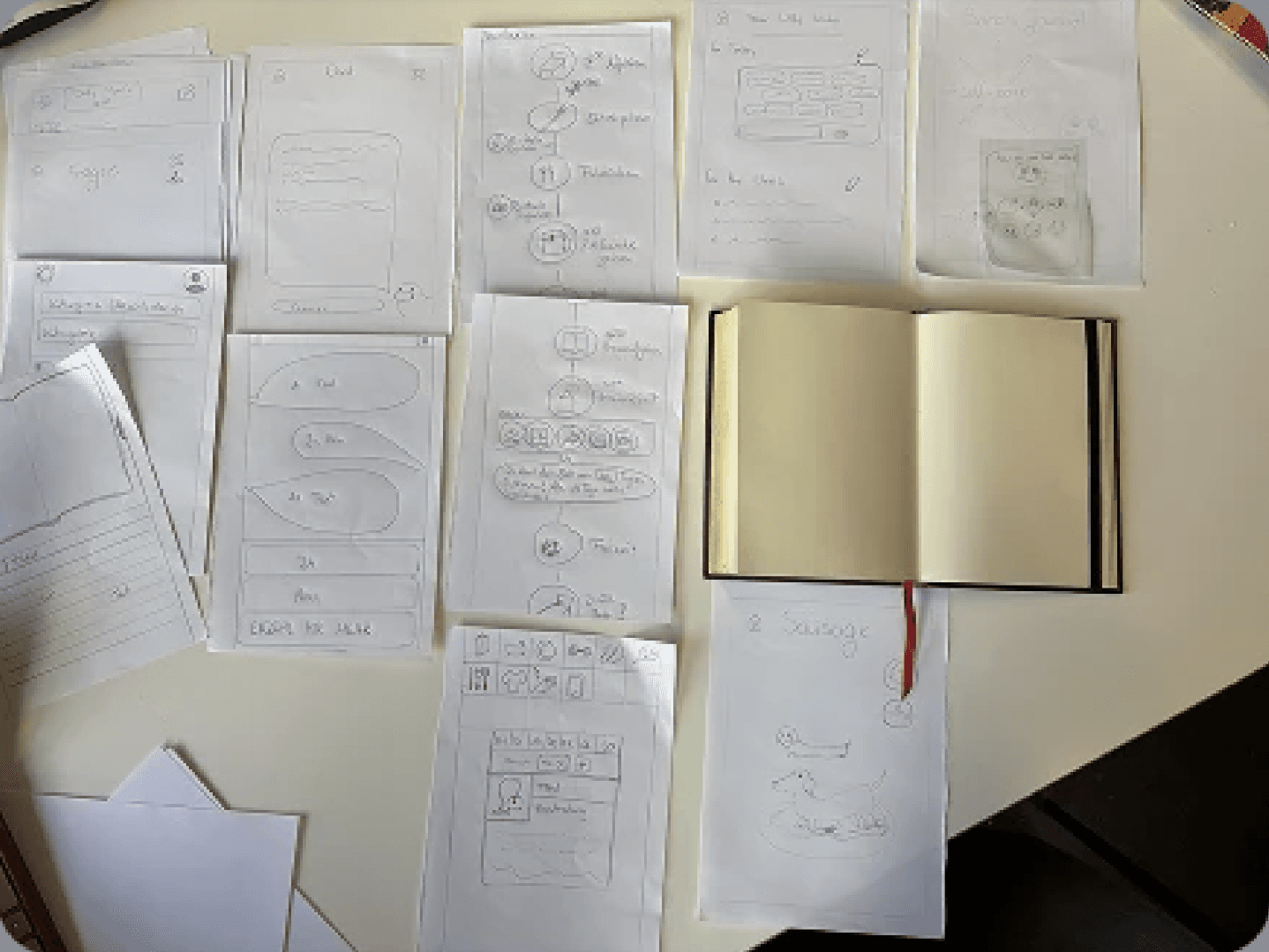
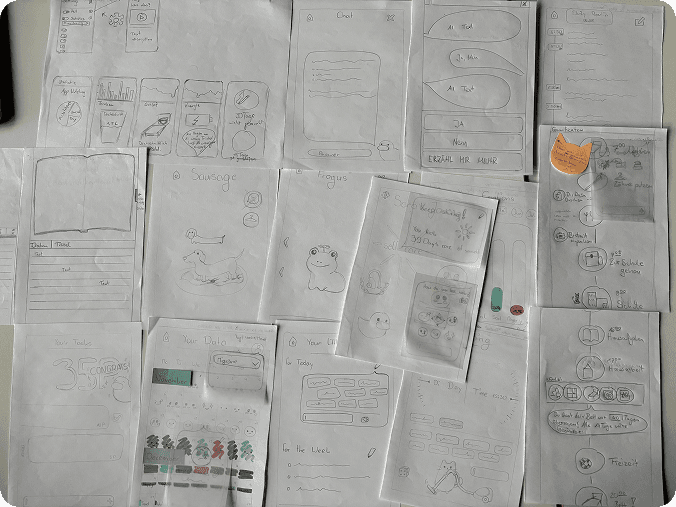
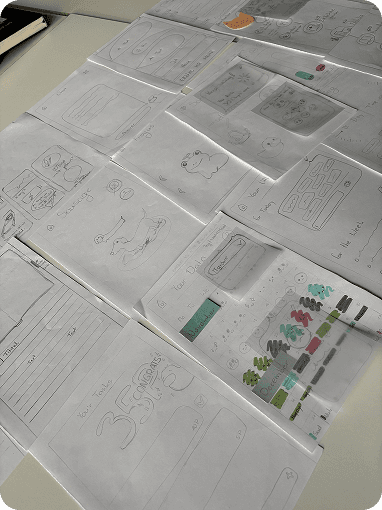
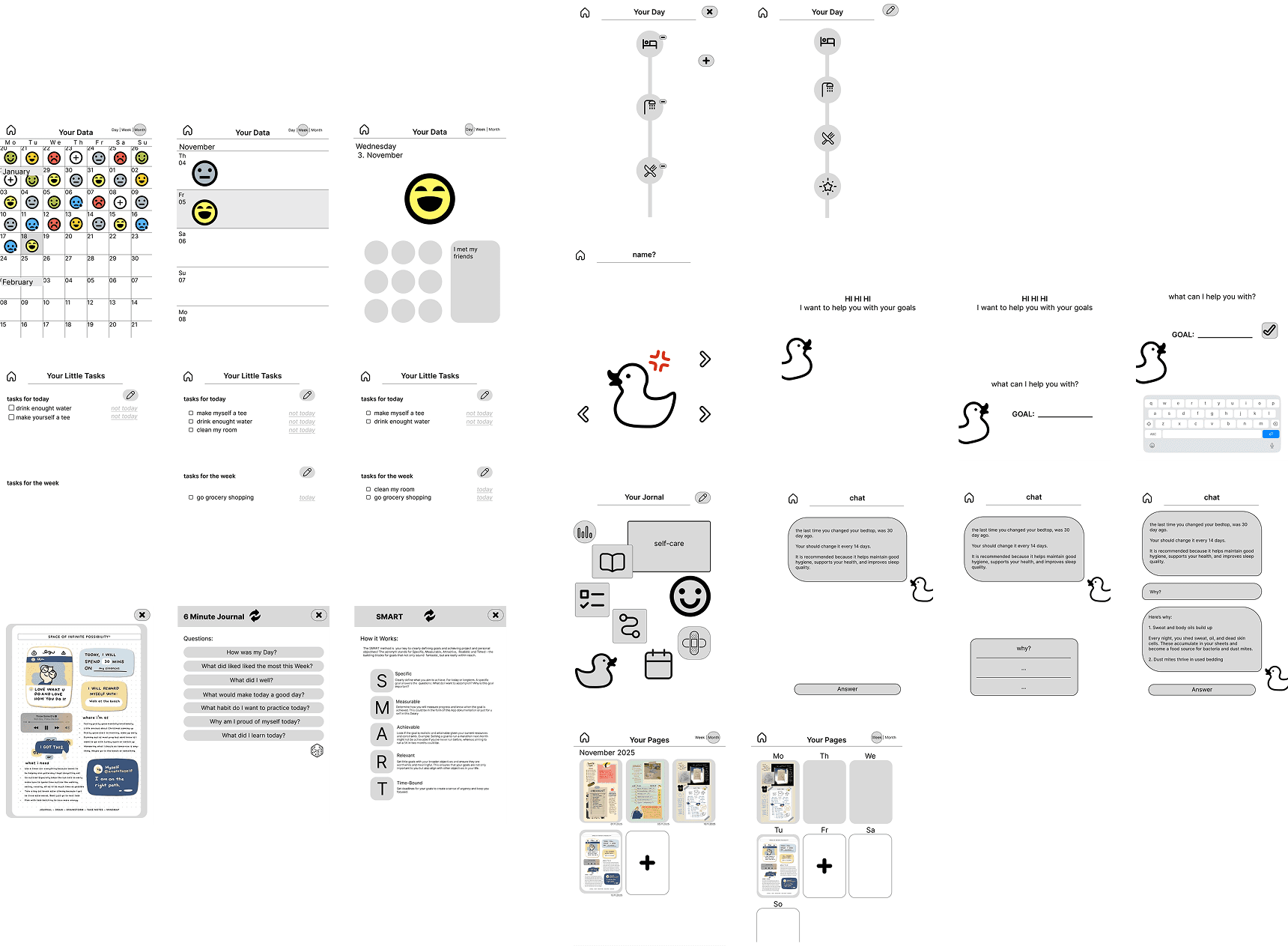
In the initial design phase, multiple screen layouts were sketched on paper to explore different ideas and gain an early understanding of the app’s structure, functionality, and user interface before moving on to digital design.
Survey
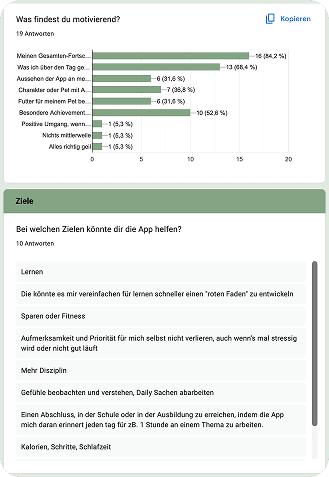
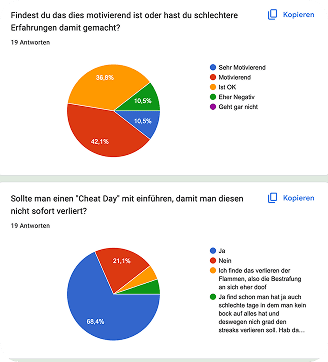
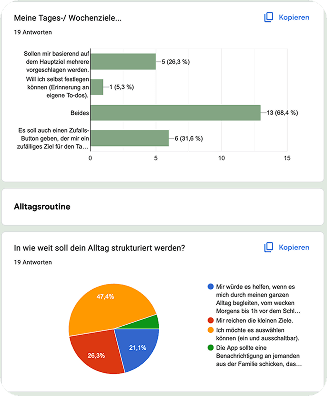
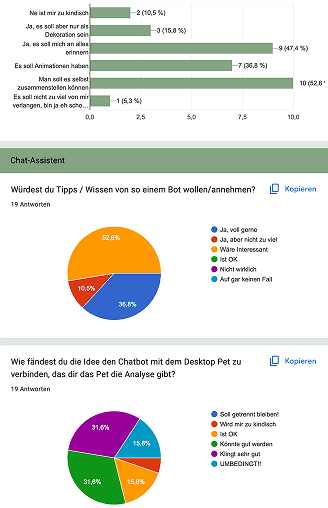
To further identify the features and functions relevant to our target group, a survey was conducted with participants within the defined target age range. The results helped to better understand user needs and informed the selection and prioritization of features for the application.
Usability Testing
As the development process evolved with new insights, we also evaluated the usefulness and user-friendliness of the proposed features and navigation. Usability tests were constantly conducted with participants from the target group.
We were also happy to show the social workers the wireframe and receive their feedback on the design, as well as advice on how to ensure the app is accepted by adolescents.
Low Fedelity Prototype
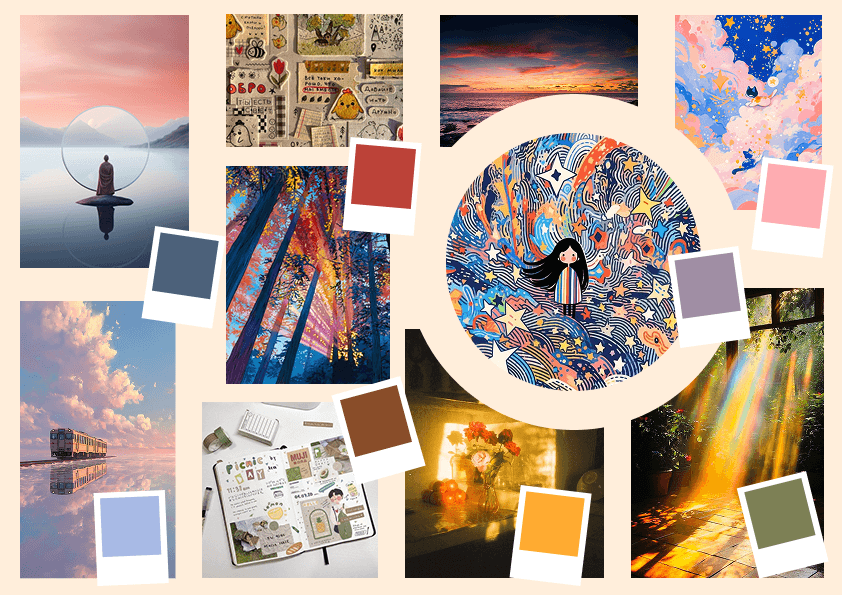
Moodboards
Screen Design
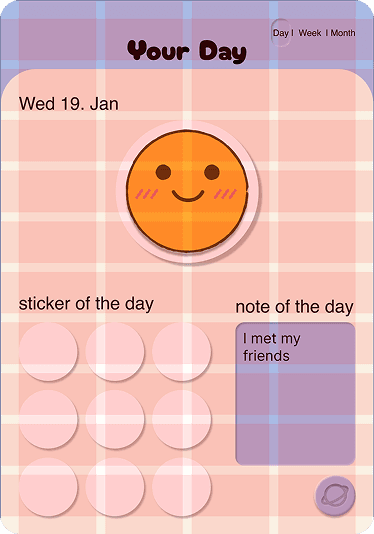
A grid system was used to structure the layouts, organize interface elements, and accurately maintain proportions, for example in the sizing and placement of buttons.
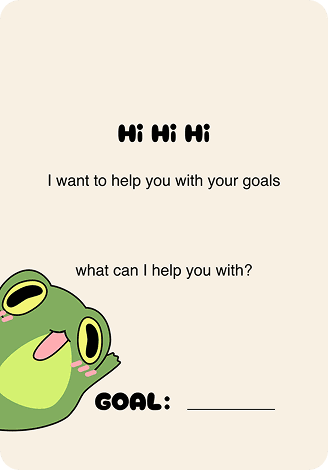
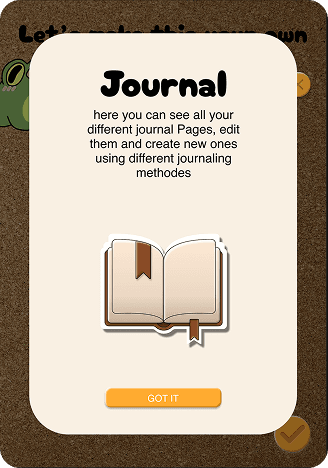
Upon first use of the application, users complete an introductory tutorial in which the core functionalities are explained and a primary personal goal is defined.
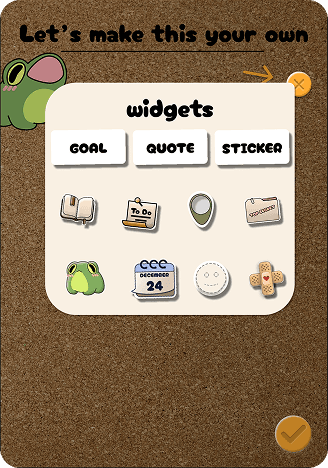
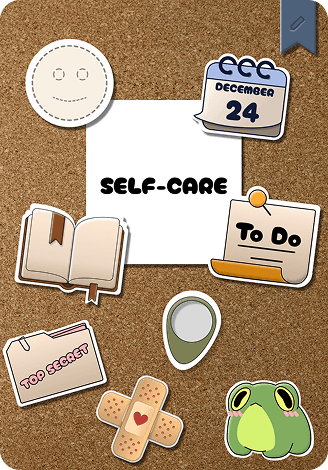
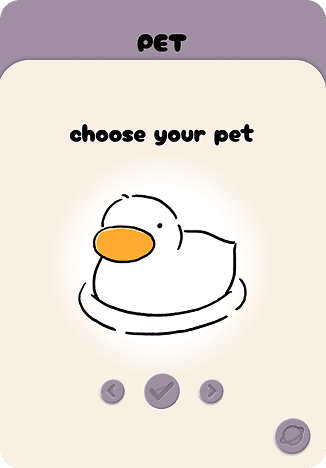
The survey results indicated a strong appreciation for customization options. Users can therefore tailor the main menu by keeping only the features they wish to use, rearranging icons freely, and personalizing the interface with stickers, quotes, and changes to their virtual pet.

To support users in achieving the
primary goal defined at the beginning, the app offers selectable daily/ weekly tasks, as well as the option to set individual short-term goals for each day/ week


The following section outlines the core features of the application. Through the hybrid functionality, users are able to write on paper while their input is simultaneously digitized and displayed within the journal interface via a pressure-sensitive surface integrated into the notebook.
If users are unsure what to write, they can select from a range of recommended exercises. Additionally, all previous journal entries
remain accessible for review.


Users also have the option to
track their entire day by reviewing
and completing all tasks defined
as part of their daily routine.


Users can track their daily mood either directly from the main screen or within the daily overview. This overview provides a summary of moods over the course of a week or month, along with associated notes and earned stickers for each day.
All features can be used in collaboration with a therapist, however, mood tracking is considered particularly valuable for identifying patterns and visualizing personal progress over time.

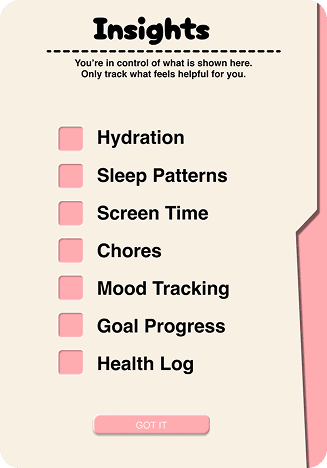


Users also have access to an overall progress overview, which can be customized to display only the selected metrics and information relevant to their personal development.


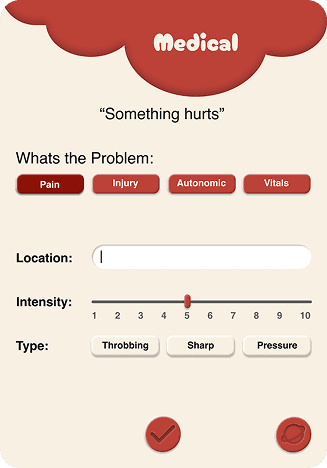
Finally, the application includes a medical section in which users can record symptoms, helping ensure that relevant information is not forgotten during medical or therapeutic appointments.

Storyboard
Before beginning the video production, a storyboard was created to provide an overview of the narrative structure and to support the planning process.

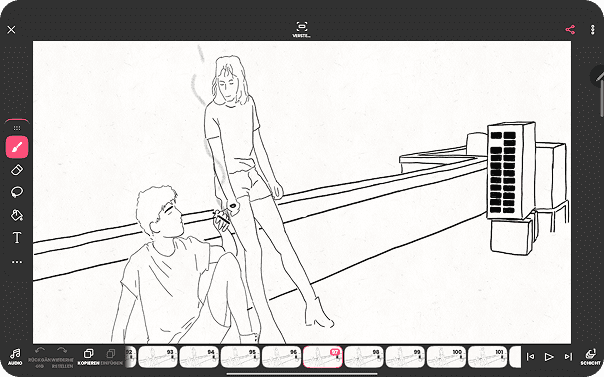

Video cutting

Following the storyboard phase, the video was produced using hand-drawn images as the primary visual material.
CapCut was used to assemble the visual material and to add sound elements to the final video.

Audio cutting
Movie
Conclusion
In conclusion, this project followed a structured, user-centered design process that combined research, conceptual development, and iterative testing.
By focusing on journaling as a core tool for mental well-being and integrating both digital and analog interactions, the application addresses user needs identified through interviews, surveys, and usability testing.
The resulting concept demonstrates how thoughtful design, personalization, and hybrid interaction can support daily routines, self-reflection, and therapeutic collaboration.
Overall, the project highlights the potential of design-driven solutions to contribute positively to mental health support in everyday life.
© 2026 Eva Maria Beck